
Screening Colonoscopy vs. Diagnostic Colonoscopy: Preventing Colon Cancer
The goal is to check for signs of cancer or precancerous growths (polyps) in individuals who have no symptoms and are considered at average risk.
A colonoscopy is a screening test for colorectal cancer, polyps and other diseases that can cause health problems in your colon also known as the large intestine and rectum. Your doctor will insert a flexible tube into the colon to directly view it during the colonoscopy. Most polyps which are growths on the wall of the colon can be removed at the time of the procedure.
Before your scheduled colonoscopy, you’ll want to prep your colon so that your doctor can get an accurate look at what’s happening inside. Because your colon will be empty, any issues inside will be easily visible to the doctor, but you’ll need to take some steps beforehand to ensure that you can get the most out of the test and make it go as smoothly as possible. Here are some prepping tips that will help prepare you for your colonoscopy.
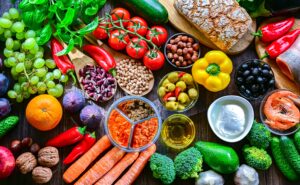
It would be best if you tried to eat a low-fiber diet several days before your scheduled colonoscopy. The day prior to the colonoscopy, you will be placed on a clear liquid diet. Any liquid you can see through is considered a clear liquid. Examples of clear liquids include white grape juice, chicken broth, tea, jello, Italian ices, sports drinks and water. You should avoid all solid foods the day prior to your colonoscopy. You will also do a prep the day prior to the colonoscopy to clean out your colon before having a colonoscope inserted into the colon. Your doctor will review the prep recommended for you along with the instructions. It is always best to check with your doctor before making any changes to a specific diet.
If you take any heart or Diabetes medications, talk to your doctor first about how to dose them prior to the colonoscopy. It’s essential to stay hydrated the day prior to your colonoscopy so don’t forget to drink water!
There are two ways to get ready for your colonoscopy: taking a pill prep or using a bowel preparation drink. Each has its pros and cons, so discussing these options with your doctor is essential. It is important to review the instructions for your prep in advance of the colonoscopy and then follow them carefully for the best prep possible.
Every member of our healthcare team is dedicated to providing patients with compassionate, state-of-the-art care. You’ll feel right at home in our friendly, comfortable facilities, where you can relax before and after your procedure. We also offer a wide range of specialty services including endoscopy (EGD), colon cancer screening with colonoscopy and advanced endoscopic procedures including Endoscopic Ultrasound and ERCP.
Get in touch with us today to schedule your appointment. Our gastroenterologists are ready to help you!

The goal is to check for signs of cancer or precancerous growths (polyps) in individuals who have no symptoms and are considered at average risk.

Early detection can identify precancerous polyps or cancer in its initial stages, significantly improving treatment outcomes.

When you’re under stress—whether from a demanding job, personal challenges, or even anxiety caused by IBS itself—it can trigger physical reactions in your body.

Maintaining awareness of hemorrhoid symptoms and consistent use of effective treatments can help prevent these long-term issues.

The connection between female sex hormones and IBS is complex but crucial to understanding why your symptoms fluctuate.

Colitis and flare-ups can vary in intensity and frequency, influenced by factors such as diet, stress, and individual health conditions.

Some may tolerate caffeine well, while others with IBS or acid reflux need to monitor their intake to prevent aggravating their symptoms.

While there is currently no cure for Crohn’s disease, various treatments and lifestyle adjustments can help manage symptoms and improve quality of life.

Irritable Bowel Syndrome (IBS) tends to affect women more frequently than men, and hormones may play a significant role in this disparity.

After a colonoscopy, patients are typically monitored in a recovery area until the effects of the sedative or anesthesia begin to wear off.

Both conditions appear to be influenced by heightened immune responses and the release of pro-inflammatory substances, further connecting their underlying mechanisms.

A gut cleanse is a practice designed to enhance digestive health by removing toxins, waste, and harmful bacteria from the gastrointestinal tract.
Please call our office to schedule an appointment.
Center for Digestive Diseases: (908)688-6565