Protein is essential for energy, muscle, and overall health, but for people with irritable bowel syndrome (IBS), how you get that protein can make the difference between a comfortable day and a flare. The good news is that most protein foods are naturally low in the fermentable carbohydrates that tend to trigger IBS symptoms, so with a few smart swaps you can meet your needs without stirring up bloating, gas, or pain. This guide walks through the best and worst protein sources for IBS, how the low-FODMAP framework shapes those choices, and simple ways to add more protein while keeping your gut calm.
Why Protein Choices Matter for IBS
Protein itself is not a FODMAP, the group of fermentable carbohydrates that commonly drive IBS symptoms, so pure protein foods are usually well tolerated. The catch is that many protein foods come packaged with other ingredients that can be triggers: legumes carry fermentable carbohydrates, some processed meats include onion or garlic seasoning, and certain protein powders are sweetened with additives like inulin. That means the issue is rarely protein on its own, but the company it keeps. Choosing protein sources thoughtfully lets you protect your nutrition, since cutting foods during symptom flares can unintentionally shortchange protein intake, while avoiding the add-ons that provoke gas, bloating, and abdominal pain. Understanding this distinction is the foundation for building IBS-friendly, high-protein meals that support both your gut and the rest of your body.
The Best Protein Sources for IBS
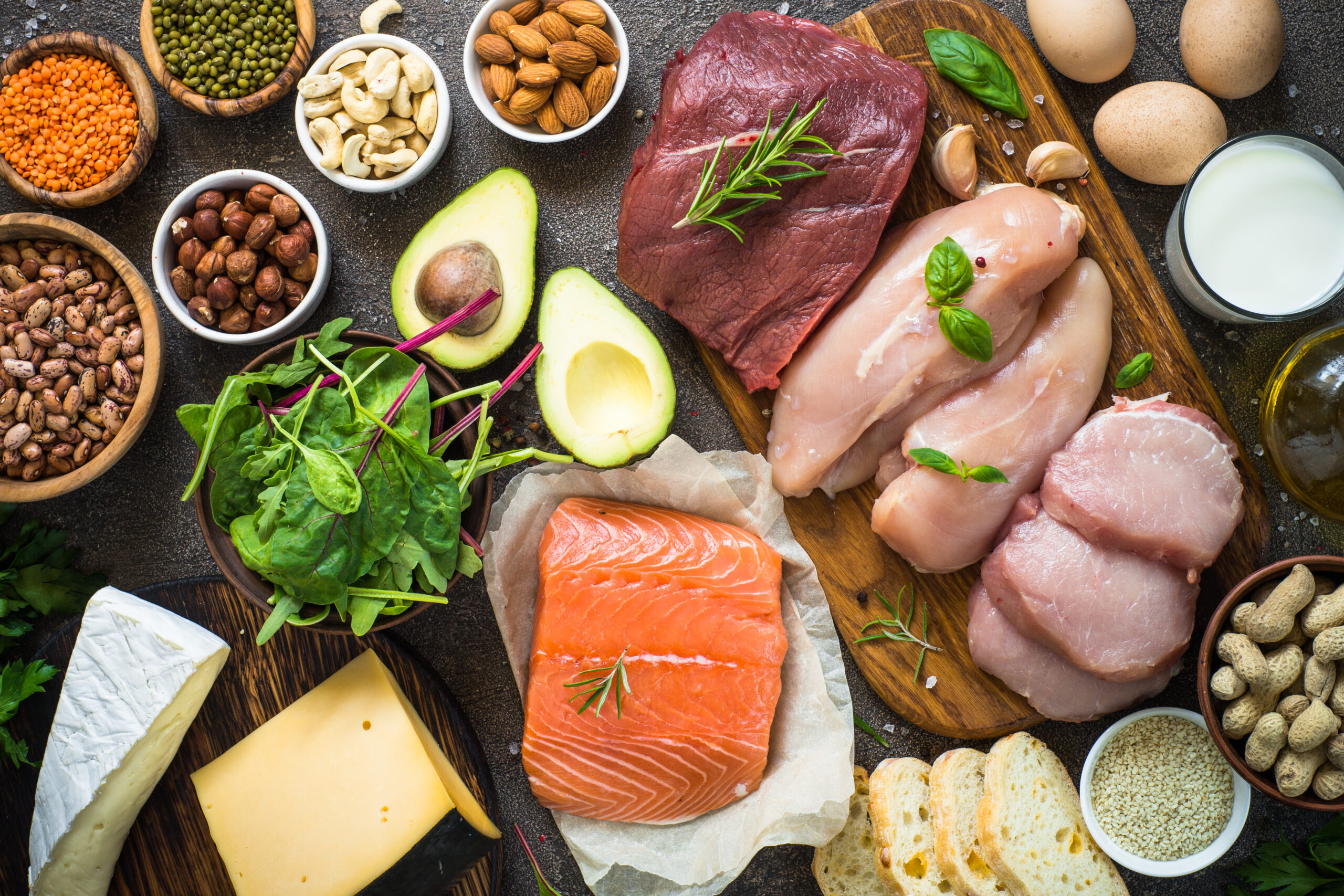
The most reliable IBS-friendly proteins are the simplest ones. Plain-cooked animal proteins, chicken, turkey, fish, seafood, and eggs, contain no FODMAPs and are typically very well tolerated. Firm tofu and tempeh are excellent plant-based options: the processing that makes firm tofu removes much of the fermentable carbohydrate, and tempeh is fermented, which many people find easier to digest. Quinoa is another standout, offering all nine essential amino acids in a naturally low-FODMAP grain. For convenience, protein powders such as whey isolate, collagen peptides, and pea or rice protein isolate are often suitable, as long as you check the label. The common thread is minimal processing and minimal added seasonings, which keeps the focus on the protein and off the ingredients that tend to cause trouble.
The Worst Protein Sources for IBS
The protein sources most likely to cause problems are those naturally high in fermentable carbohydrates or heavily seasoned. Dried and home-cooked legumes, such as kidney beans, black beans, and split peas in larger amounts, are rich in galacto-oligosaccharides, a FODMAP that ferments readily and produces gas. Marinated, breaded, or heavily seasoned meats can hide onion and garlic, two of the most common IBS triggers. Some protein bars, shakes, and powders are sweetened with high-FODMAP additives like inulin, chicory root fiber, or polyols such as xylitol and sorbitol. None of these foods is universally off-limits, but they are the usual suspects when a high-protein meal is followed by bloating or cramping, so they are worth approaching with care and attention to portion size and ingredients.
Animal-Based vs Plant-Based Proteins for IBS
Both animal and plant proteins can fit into an IBS-friendly diet, but they require different strategies. Plain animal proteins have a natural advantage because they are inherently free of FODMAPs, making chicken, fish, eggs, and lean cuts of meat dependable choices. Plant proteins take a little more planning, since many legumes are high in fermentable carbohydrates, but firm tofu, tempeh, quinoa, and small portions of certain nuts and seeds provide gut-friendly options for those eating less meat. Vegetarians and vegans with IBS can absolutely meet their protein needs; the key is leaning on the lower-FODMAP plant proteins and being mindful of serving sizes. A registered dietitian can help balance variety, nutrition, and symptom control, especially for anyone limiting animal products while managing IBS.
How the Low FODMAP Diet Affects Protein Choices
The low-FODMAP diet is a structured, evidence-based approach that temporarily reduces fermentable carbohydrates to ease IBS symptoms, and it directly shapes which proteins to prioritize. Under this framework, plain proteins remain freely available because they contain no FODMAPs, while higher-FODMAP proteins like many legumes are limited during the initial elimination phase and then tested during reintroduction to find your personal tolerance. Portion size matters, too: some foods are low-FODMAP in small servings but become high-FODMAP in larger ones, which is why canned, well-rinsed lentils or chickpeas may be tolerated in modest amounts even though larger servings are not. The low-FODMAP diet is meant to be temporary and personalized rather than permanently restrictive, so the goal is to identify which proteins your body handles well and build a varied, sustainable diet around them.
Protein Sources for Different Types of IBS
IBS is not one condition but several subtypes, including IBS with constipation (IBS-C), IBS with diarrhea (IBS-D), and mixed IBS (IBS-M), and while protein choices overlap across them, small adjustments can help. Regardless of subtype, plain, low-FODMAP proteins form a safe foundation. For those with IBS-C, pairing lean proteins with tolerated sources of soluble fiber and plenty of fluids supports more regular bowel habits. For IBS-D, sticking to gentle, well-cooked proteins and avoiding high-fat, heavily fried preparations may reduce urgency for some people. Because triggers and tolerances are highly individual, there is no single protein plan that fits every subtype. Tracking your own responses and working with a gastroenterologist or dietitian is the most reliable way to tailor protein choices to your specific pattern of symptoms.
Tips for Adding More Protein Without Triggering Symptoms
Boosting protein while managing IBS is very doable with a few practical habits. Build meals around a plain protein anchor, such as grilled chicken, baked fish, eggs, or firm tofu, and season with fresh herbs, garlic-infused oil, or the green tops of scallions rather than onion and garlic bulbs. Read labels on bars, shakes, and powders, and skip products listing inulin, chicory root, or polyol sweeteners. Introduce higher-FODMAP proteins like legumes in small, measured portions, using canned and rinsed versions when possible, and space them out rather than eating them all at once. Spreading protein across the day instead of loading it into one meal can also ease digestion. Small, consistent adjustments like these usually deliver steady protein intake without provoking symptoms.
Sample IBS-Friendly High-Protein Meal Ideas
Putting these principles together makes planning easier. For breakfast, try scrambled eggs with spinach and a slice of sourdough toast, or a smoothie made with lactose-free yogurt, strawberries, and a scoop of a low-FODMAP protein isolate. A satisfying lunch might be a grilled chicken salad with mixed greens, cucumber, carrots, and a lemon-and-olive-oil dressing, or a quinoa bowl with firm tofu and roasted low-FODMAP vegetables. For dinner, baked salmon with rice and green beans, or a stir-fry of tempeh and tolerated vegetables cooked in garlic-infused oil, both deliver plenty of protein. Snacks such as a hard-boiled egg, a small handful of walnuts, or lactose-free cheese round out the day. These are starting points; adjust portions and ingredients to match your own tolerances.
When to See a Gastroenterologist or Dietitian
Dietary changes can meaningfully improve IBS, but they work best alongside professional care. See a gastroenterologist if your symptoms are persistent, worsening, or interfering with daily life, and always seek prompt evaluation for warning signs such as unintentional weight loss, rectal bleeding, or symptoms that wake you at night, since these are not typical of IBS and warrant investigation. A registered dietitian is invaluable for navigating protein choices and the low-FODMAP process safely, ensuring your diet stays nutritionally complete while you identify triggers. Restrictive eating without guidance can lead to nutritional gaps or unnecessary food fears, so partnering with a professional keeps the focus on sustainable, symptom-reducing nutrition. With the right support, most people with IBS can enjoy a varied, protein-rich diet that keeps them well fueled and comfortable. For education only, not medical advice.
Call To Action
If IBS is making mealtimes stressful, the specialists at Allied Digestive Health can help you build a nutrition plan that meets your protein needs without triggering symptoms. Request an appointment today to take the next step toward better digestive health.
Citations
Monash University FODMAP – About FODMAPs and IBS: the low-FODMAP diet and food composition.
https://www.monashfodmap.com/about-fodmap-and-ibs/
Cleveland Clinic – Low FODMAP Diet: What It Is, Uses & How To Follow.
https://my.clevelandclinic.org/health/treatments/22466-low-fodmap-diet
Nutrients (2024) – The Role of the FODMAP Diet in IBS.
https://pubmed.ncbi.nlm.nih.gov/38337655/
For education only, not medical advice.