

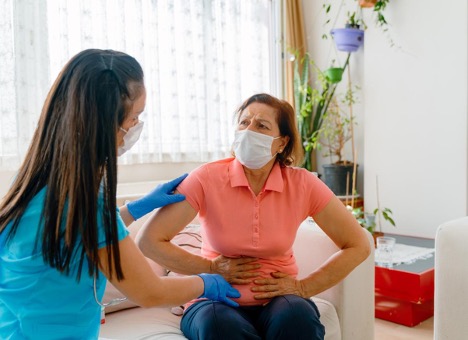
The gallbladder is a small, pear-shaped organ that contains bile, a fluid crucial in food digestion. Gallstones are hard, pebble-like pieces of material the size of a grain of sand that forms in your gallbladder. They usually comprise bilirubin or cholesterol. The gallbladder can make several tiny stones as small as a grain, one large gallstone the size of a golf ball, or a mixture of small and large formations.
Gallstones can block the bile ducts in the biliary tract, causing sudden pain in the upper right abdomen. The pain, known as biliary colic or gallbladder attack, is one of the severe symptoms of gallstones. If left untreated, gallstones can cause severe complications, including inflammation of the following:
In some cases, gallstones may not cause blockage and are painless. These usually don’t require any treatment. If you decide against surgery to remove the gallstones, it’s crucial to take steps to prevent complications. These include:
With that in mind, here’s what to know about gallstone removal.
If gallstones don’t cause symptoms, you probably don’t require any treatment. If you feel comfortable managing infrequent and mild gallstone attacks or your doctor thinks you’re not likely to have serious complications, you may not need surgery. Your doctor may recommend surgery to treat gallstones if you’ve had repeated gallbladder attacks. This type of surgery is called cholecystectomy, one of the most common surgeries in the United States.
Surgery is the best treatment option for managing and preventing further gallstone complications. Since surgery is prevalent, doctors have extensive experience with it. Your body will work fine without the gallbladder, but there might be slight changes that you probably won’t notice.
If you have sickle cell or other blood disorders, your doctor may recommend doing a cholecystectomy as a precautionary measure, even if symptoms are absent. Before surgery, your doctor will run several tests to check your health status. These include:
When doctors recommend surgery for gallstone disease, they can use one of two methods for gallbladder removal:
In this type of surgery, the surgeon makes a 5-7-inch incision on the belly to remove the gallbladder. The approach is recommendable for people with a bleeding disorder. People with gallstones in the severe form may also be beneficiaries of open gallstone surgery. Other candidates are people who are overweight or in the last trimester of pregnancy.
Physicians refer to this type of surgery as “keyhole surgery” because it involves making four tiny cuts on the belly. They then insert a thin, flexible tube through the openings containing a light and a small video camera into the abdomen. The camera helps the surgeons see the gallbladder better, allowing them to insert special tools to remove the ailing organ.
With both types of surgery, the surgeon will give you general anesthesia to help you sleep through the procedure and not feel any pain.
Doctors may use nonsurgical treatment for gallstones in particular situations, for example, if you’ve had cholesterol stones or a severe medical condition that prevents surgery. Gallstones may return with treatment, so it’s essential to get regular treatment for the disease for a long time. Sometimes, you may undergo therapy for the rest of your life.
Some non-surgery medically-reviewed treatment approaches include the following:
The good news is that you can live your life just like any other healthy person after gallbladder removal because the liver can produce sufficient bile on its own. It’ll move to the small intestines even if the gallbladder is missing.
While doctors believe gallbladder surgery is safe, some risks factors of gallstones surgery exist, including:
You may also develop what doctors call post-cholecystectomy syndrome (PCS). It happens if gallstones remain in the bile ducts or bile leaks into the stomach. PCS symptoms are similar to gallstones, including diarrhea, bloating, heartburn, and belly pain.
The length of time it takes to recover after gallbladder removal depends on the type of surgery you had. You may have to stay in the hospital for a few days after the open surgery. It may take between six and eight weeks to heal completely.
Laparoscopic procedures are less invasive, and you’ll have less pain and heal faster than when you have open surgery. Most people can go home the same day after the procedure. You’ll also be able to resume your routine within two weeks.
The gallbladder stores bile, a liquid necessary for digestion. When the gallbladder contracts, it pushes the bile into a tube that transports it to the small intestine. Gallbladder stones can inhibit the normal functioning of this organ, inflicting pain and other severe complications. Gallbladder surgery can help in treating the condition.
After treatment, you need proper care during and after recovery. Talk to a professional healthcare provider to get the support you need at this time. At Allied Digestive Health, we aim to offer cutting-edge treatments for gastrointestinal disorders. Our highly skilled team embraces innovative solutions for specialized patient care. Contact us to learn more about our services.


If you have ulcerative colitis, you may have heard that it can raise your risk of colorectal cancer, and that can be worrying to think about. The reassuring reality is that most people with ulcerative colitis never develop colorectal cancer, and the tools to manage that risk are effective and well established

The abdominal pain and cramping of irritable bowel syndrome (IBS) can range from a nagging ache to a flare that stops you in your tracks. If you are searching for how to relieve IBS pain, the encouraging news is that there are both quick comfort measures for the moment and longer-term strategies that can reduce how often flares happen at all.
That tight, swollen, uncomfortable feeling that shows up after eating is one of the most common digestive complaints, and it can turn an enjoyable meal into hours of discomfort. The good news is that post-meal bloating is often very manageable once you understand what causes it.

For people living with irritable bowel syndrome (IBS), food can feel like a minefield, with meals sometimes triggering abdominal pain, bloating, and unpredictable bowel habits. A structured elimination diet is one of the most evidence-supported ways to identify which foods drive those symptoms.

Your stool can reveal a surprising amount about your digestive health, and paying attention to it is one of the simplest ways to catch a problem early. While most changes in bowel habits are caused by diet, stress, or minor conditions, certain stool changes can be warning signs of colorectal cancer, one of the most common and most preventable cancers.

Protein is essential for energy, muscle, and overall health, but for people with irritable bowel syndrome (IBS), how you get that protein can make the difference between a comfortable day and a flare.
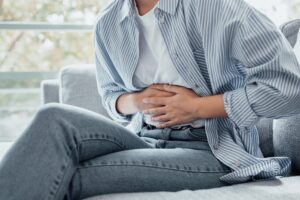
If you have ever felt queasy during a bout of constipation, you are not imagining the connection. While constipation is usually thought of as a lower-digestive problem, it can also leave you feeling sick to your stomach, especially when it is severe or long-lasting.

Stomach ulcers, also known as peptic ulcers, are painful sores that develop in the lining of the stomach or the first part of the small intestine. These ulcers can cause significant discomfort and lead to serious complications if left untreated. Understanding the signs and symptoms of stomach ulcers is crucial for early detection and effective management.

A low-carb diet may offer relief for those struggling with irritable bowel syndrome (IBS), a condition characterized by abdominal pain and altered bowel habits. While many individuals seek dietary solutions to manage IBS symptoms, understanding the role of carbohydrates is crucial.

GERD, or gastroesophageal reflux disease, is a prevalent condition affecting millions worldwide. Characterized by chronic symptoms like heartburn and acid reflux, GERD can lead to significant health complications if left untreated.

Constipation is a common challenge for those with irritable bowel syndrome (IBS), particularly the IBS-C subtype. This condition affects millions globally, significantly impacting daily life. Understanding how to manage constipation effectively can improve quality of life for those struggling with IBS.
Please call our office to schedule an appointment.
Center for Digestive Diseases: (908)688-6565