What Is an Endoscopy and Why Is It Performed?
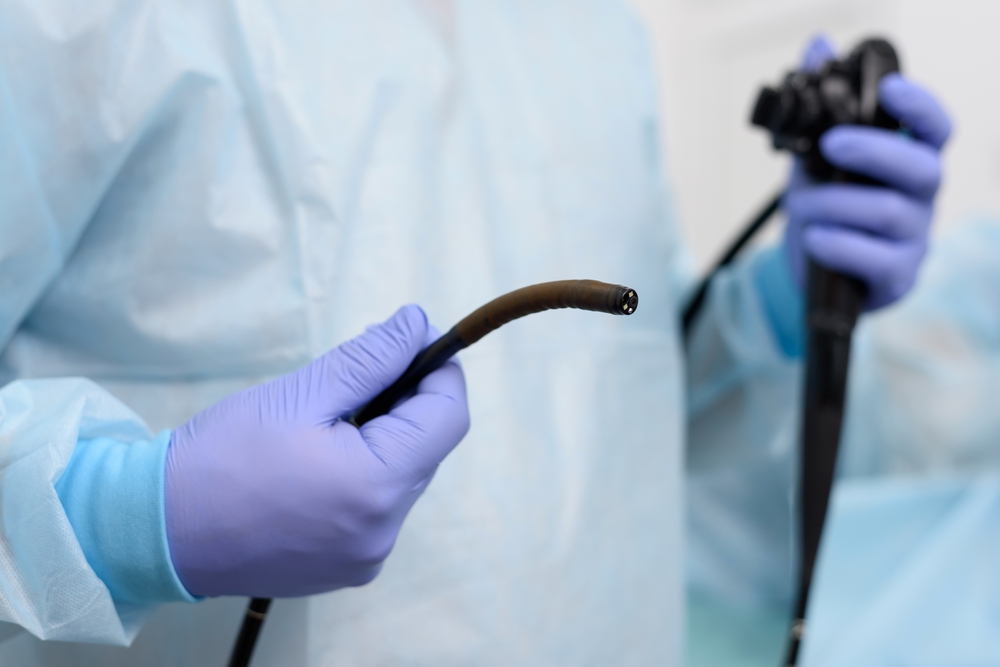
An endoscopy is a medical procedure used to examine the interior of the body using a specialized instrument called an endoscope. This thin, flexible tube has a camera and a light source, allowing doctors to capture detailed images of internal organs and structures.
Endoscopies are commonly performed to diagnose, monitor, and treat conditions affecting the digestive tract, such as acid reflux, ulcers, Crohn’s disease, or gastrointestinal bleeding. They can collect tissue samples for biopsy or remove abnormal growths. The procedure is minimally invasive, making it a valuable tool for identifying potential health issues while minimizing patient recovery time and discomfort.
What to Expect Immediately After an Endoscopy
After an endoscopy, patients are typically monitored in a recovery area until the effects of any sedative or anesthesia have worn off. It is common to feel mild throat soreness or bloating due to the air introduced during the procedure. These symptoms usually resolve within a few hours.
Depending on the reason for the endoscopy, your doctor may discuss preliminary findings before discharge. It is crucial to arrange for someone to drive you home, as sedatives can impair coordination and judgment for the rest of the day.
Your healthcare provider will provide specific post-procedure care instructions and inform you when to resume normal activities and eating.
How Long Does It Take to Recover From an Endoscopy?
The recovery time after an endoscopy varies depending on the type of procedure and the individual’s overall health. The initial recovery from sedation or anesthesia typically takes a few hours for most patients.
Mild symptoms such as throat soreness or bloating often subside the same day or within 24 hours. Full recovery, including the ability to resume all normal activities, usually happens within a day.
However, if biopsies were taken or additional treatments were performed during the endoscopy, recovery may take slightly longer.
Your doctor will provide tailored guidance based on your specific procedure and any additional findings. All post-procedure instructions must be followed carefully to ensure a smooth recovery.
Factors That May Affect Your Recovery Timeline
Several factors can influence how quickly you recover from an endoscopy. Your overall health and any preexisting conditions play a significant role in determining recovery time. For example, individuals with chronic illnesses or weakened immune systems may take longer to heal.
The complexity of the procedure is another critical factor—endoscopies involving biopsies, or other interventions may require a more extended recovery period. Your adherence to your doctor’s post-procedure instructions, including rest and dietary recommendations, can significantly impact your recovery timeline.
If complications such as excessive pain, bleeding, or infection arise, they may further delay recovery, making it essential to monitor your symptoms and consult your healthcare provider as needed.
4 Tips for a Smooth Recovery After an Endoscopy
- Rest and Take It Easy
- Plan to rest for the remainder of the day after your endoscopy procedure.
- Avoid strenuous activities, heavy lifting, or driving for at least 24 hours if you are sedated.
- Stay Hydrated and Eat Light
- Drink plenty of fluids, starting with clear liquids, before gradually reintroducing solid foods.
- Avoid acidic, spicy, or hard-to-digest foods that may irritate your upper gastrointestinal (GI) tract.
- Soothe Your Throat
- A sore throat is common after an upper endoscopy, so drink warm tea, suck on lozenges, or use honey to ease discomfort.
- Avoid very hot or cold drinks until your throat feels normal.
- Watch for Unusual Symptoms
- Mild discomfort is normal, but contact your doctor if you experience difficulty swallowing, severe pain, or persistent nausea.
- Pay attention to any unusual bleeding or signs of complications and seek medical attention if necessary.
When to Resume Eating and Drinking After the Procedure
After an endoscopy, it is essential to carefully plan when to restart eating and drinking to support recovery. Once again, your doctor will advise when it’s safe to resume consumption based on the specifics of your procedure.
Most patients can start with small sips of water or clear fluids shortly after the anesthesia wears off. Once you feel comfortable, you can gradually introduce light foods like broth, toast, or crackers to your diet.
It’s crucial to avoid alcohol, caffeine, and spicy or greasy foods during the initial recovery period, as these can irritate your digestive system. Always follow your healthcare provider’s guidance, and pay attention to how your body reacts as you reintroduce foods and beverages.
Recognizing Signs of Complications During Recovery
While most endoscopy recoveries are smooth, being vigilant for any signs of complications is crucial. Symptoms such as persistent abdominal pain, difficulty swallowing, severe nausea, or vomiting should be reported to your healthcare provider immediately.
Watch for signs of infection, including fever, chills, redness, and swelling at any injection site. Unusual bleeding, such as blood in your vomit or stool, may also indicate a serious issue that requires prompt medical attention.
You can ensure any complications are addressed quickly and effectively by staying aware of these potential warning signs and seeking help when needed. Always prioritize open communication with your healthcare team during the recovery process.
When to Contact Your Doctor After an Endoscopy
Knowing when to contact your doctor following an endoscopy is crucial for a safe recovery. While mild discomfort, such as slight bloating or a sore throat, is usually normal, specific symptoms warrant immediate medical attention. If you experience severe abdominal pain, chest pain, or persistent vomiting, it is essential to reach out to your healthcare provider.
Signs of infection, including a fever over 100.4°F (38°C), chills, or worsening redness and swelling near any injection site, should not be ignored. Bleeding is another significant concern—if you notice large amounts of blood in your vomit or stool, or if the bleeding does not stop, contact your doctor without delay.
Trust your instincts; if something feels wrong or symptoms worsen, avoid caution and seek medical advice promptly. Your health and safety should always be the top priority. When in doubt, feel free to talk to the professionals at Allied Digestive Health.