Understanding Gut Inflammation
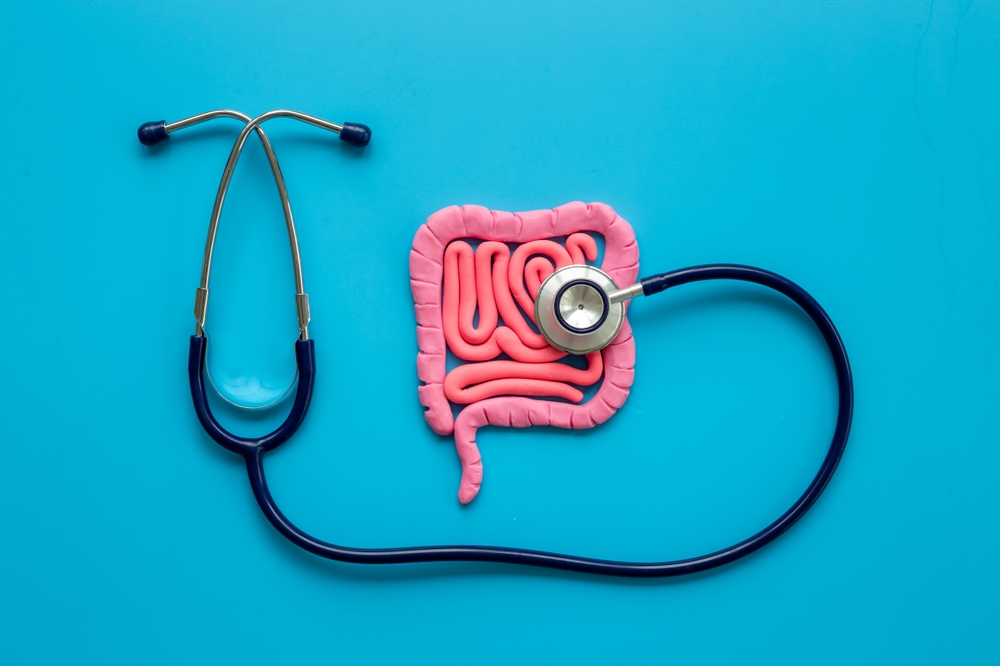
Gut inflammation occurs when the lining of the gastrointestinal tract becomes irritated or damaged, leading to an immune response. This condition can result from various factors, including poor diet, stress, infections, or underlying health conditions like inflammatory bowel disease (IBD).
Chronic gut inflammation may disrupt the balance of gut bacteria, weaken the intestinal barrier, and contribute to symptoms such as bloating, abdominal pain, and fatigue. Understanding the root causes and mechanisms of gut inflammation is essential for managing it effectively and improving overall gut health.
Common Causes of Gut Inflammation
Several factors can contribute to the development of gut inflammation, each influencing the gastrointestinal system’s health in unique ways. A diet high in processed foods, refined sugars, and unhealthy fats can disrupt the gut microbiome, leading to increased inflammation.
Chronic stress is another common cause, as it impacts digestion and weakens the immune system, making the gut more susceptible to irritation.
Infections caused by harmful bacteria, viruses, or parasites can trigger an inflammatory response. Certain medications, such as antibiotics or nonsteroidal anti-inflammatory drugs (NSAIDs), may also damage the gut lining over time.
Autoimmune conditions like Crohn’s disease or ulcerative colitis directly affect chronic gut inflammation, as the immune system mistakenly attacks the intestinal lining. Identifying these underlying causes is crucial for addressing and mitigating inflammation effectively.
Signs and Symptoms of an Inflamed Gut
Recognizing the signs and symptoms of an inflamed gut is essential for timely intervention and proper management. Common symptoms include persistent abdominal pain or cramping, bloating, and changes in bowel habits, such as diarrhea or constipation. Individuals may also experience nausea, fatigue, and unintended weight loss.
Other signs can manifest beyond the digestive system, including skin issues like rashes or acne, joint pain, and frequent headaches. An inflamed gut can impact mental well-being, leading to mood swings, anxiety, or depression. Identifying these symptoms early can help guide appropriate treatment and promote overall health.
Anti-Inflammatory Foods for Gut Health
Including anti-inflammatory foods can significantly calm an inflamed gut and promote overall digestive health. Foods rich in omega-3 fatty acids, such as salmon, flaxseeds, and walnuts, are known for their potent anti-inflammatory properties.
Adding fiber-rich options like leafy greens, broccoli, and whole grains can help improve gut function and support a healthy microbiome. Fermented foods, including yogurt, kefir, and kimchi, introduce beneficial probiotics that aid in reducing gut inflammation and improving digestion.
Consuming antioxidant-packed fruits like blueberries, cherries, and oranges can combat oxidative stress, further protecting the gut. Incorporating these nutrient-dense foods into a balanced diet is a natural and effective way to support gut health and reduce inflammation.
Lifestyle Changes to Reduce Gut Inflammation
Adopting healthy lifestyle habits can significantly reduce gut inflammation and improve overall digestive health.
Stress management is crucial, as chronic stress can disrupt the gut-brain axis and worsen inflammation. Yoga, meditation, and deep-breathing exercises can help regulate stress levels and promote gut health.
Regular physical activity, such as walking, swimming, or cycling, supports digestion and reduces inflammation throughout the body.
Prioritizing adequate sleep is equally important, as poor sleep can negatively affect gut function and exacerbate inflammatory responses.
Limiting alcohol intake and quitting smoking can prevent irritation and damage to the gut lining.
By making these lifestyle adjustments, individuals can create an environment for their gut to heal and thrive.
The Role of Probiotics and Prebiotics
Probiotics and prebiotics are essential in maintaining a healthy gut and reducing inflammation.
Probiotics are beneficial live bacteria that help balance the gut microbiome by increasing the presence of good microbes. They can be found in fermented foods such as yogurt, kefir, sauerkraut, and kimchi or taken as dietary supplements.
On the other hand, prebiotics act as food for these beneficial bacteria, promoting their growth and activity. Prebiotics-rich foods include garlic, onions, bananas, asparagus, and whole grains. By incorporating both probiotics and prebiotics into your diet, you can support the diversity and resilience of your gut microbiota, ultimately strengthening your digestive health and reducing inflammation.
When To Talk to Your Doctor
While making lifestyle changes and incorporating probiotics and prebiotics can significantly improve gut health, there are instances where professional medical advice is necessary. If you experience persistent digestive issues such as severe bloating, abdominal pain, chronic diarrhea, or unexplained weight loss, it’s essential to consult your doctor.
These symptoms could indicate underlying conditions like irritable bowel syndrome (IBS), Crohn’s disease, or celiac disease, which may require specific treatment. If you notice blood in your stool or experience difficulty swallowing, seek medical care promptly.
Early diagnosis and intervention can make a significant difference in managing gut-related disorders and ensuring overall well-being. Seeking advice from the professionals at Allied Digestive Health ensures you can address your symptoms effectively and maintain a diet supporting your overall health.