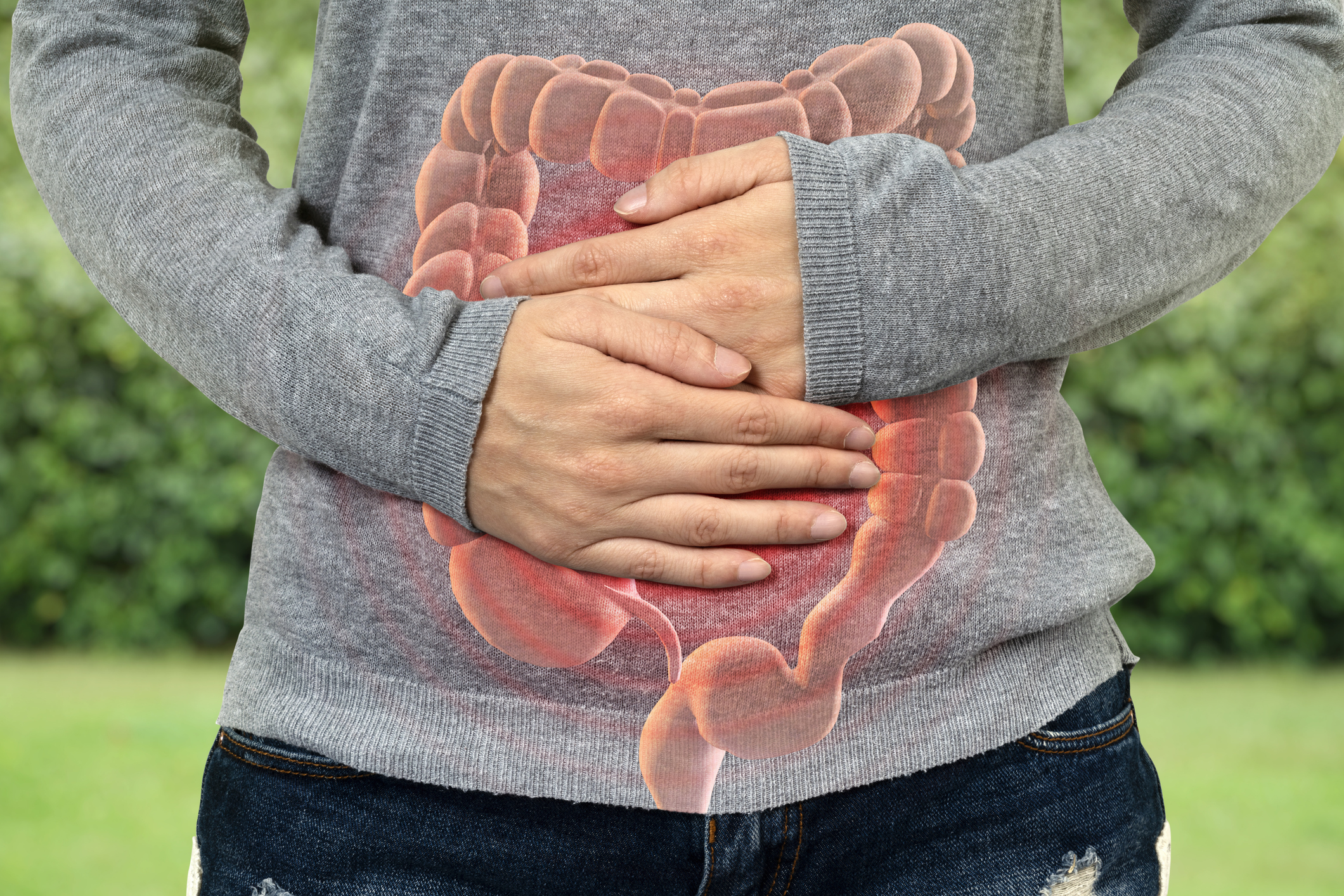
The pathogenesis of obesity involves genetic, environmental, and lifestyle factors. At its core, obesity results from an energy imbalance—consuming more calories than the body expends. However, it’s not just about energy intake and expenditure; gut health plays a crucial role too.
Emerging research suggests that the gut microbiota—the vast community of microorganisms living in our digestive system—differs significantly in obese people compared to those of a healthy weight. These differences in gut bacteria composition can affect how food is digested, how fat is stored, and how energy is utilized, further contributing to weight gain and obesity.
This intricate relationship underscores the importance of considering gut health in the broader context of obesity and its management.
Common Ways Obesity Affects Gut Health
Obesity profoundly impacts gut health. Intestinal bacteria, also known as the gut microbiota, play a pivotal role in our overall health, influencing digestion, the immune system, and even the brain’s health through the gut-brain axis. These microorganisms assist in breaking down food, synthesizing vitamins, and protecting against pathogens.
Additionally, obesity is associated with elevated levels of certain harmful bacteria, which can contribute to metabolic syndrome and insulin resistance and even affect mood and behavior through the gut-brain axis.
Understanding the relationship between obesity and gut health is crucial for developing effective weight management strategies and promoting overall digestive well-being.
Impact of Bacterial Lipopolysaccharide (LPS) on Obesity and Gut Health
Bacterial lipopolysaccharide (LPS), a component found in the outer membrane of gram-negative bacteria, plays a significant role in the interaction between obesity and gut health. High levels of circulating LPS, a condition known as endotoxemia, can trigger systemic inflammation, contributing to the development and progression of obesity and its related complications. This inflammatory response is facilitated by LPS’s ability to bind to immune cell receptors, activating pathways that lead to the release of pro-inflammatory cytokines.
Excessive adipose tissue, also known as body fat, contributes to a pro-inflammatory state that can exacerbate gut dysbiosis, promoting the growth of pathogenic bacteria over beneficial ones. This dysregulation of the gut microbiota can lead to increased intestinal permeability, also known as leaky gut, and further systemic inflammation, forming a vicious cycle that complicates obesity management and overall wellness.
Conversely, improving gut health through weight loss and dietary changes can help reduce gut permeability and LPS levels, thus decreasing inflammation. This underscores the importance of maintaining a healthy gut microbiome not only for managing obesity but also for protecting against inflammation-induced damage associated with high LPS levels.
Does Losing Weight Help Gut Issues?
Losing weight can have a significant positive impact on gut health, leading to improvements in the diversity and balance of gut microbiota. Weight loss, particularly when achieved through a healthy diet and regular exercise, often corresponds with a reduction in the levels of harmful bacteria and an increase in beneficial bacteria. This shift can help reduce inflammation, improve gut barrier function, and decrease the risk of metabolic diseases.
Additionally, a healthier gut microbiome brought about by weight loss can enhance mood and decrease the likelihood of experiencing gut-related issues.
Therefore, adopting lifestyle changes that promote weight management can be a crucial step toward improving gut health and boosting overall wellness.
Link Between Obesity and Gut Health
The connection between obesity and gut health is complex and multifaceted, rooted in the interactions between diet, gut microbiota, and the body’s metabolic processes. Obesity alters the gut microbiome’s composition, favoring an environment conducive to inflammation and metabolic imbalances. This, in turn, can exacerbate weight gain and obesity by impairing the gut’s ability to regulate energy balance, glucose metabolism, and fat storage.
Conversely, a healthy and diverse gut microbiota can enhance metabolic health, suggesting that interventions aimed at modulating gut bacteria could be effective for obesity management and prevention. Understanding this link is critical for developing comprehensive strategies to combat obesity and its associated health risks.
Symptoms of Worsening Gut Health With Obesity
Worsening gut health associated with obesity can manifest in various symptoms that impact daily living and overall well-being. These symptoms often include chronic inflammation, frequent episodes of constipation or diarrhea, and a general feeling of bloating or discomfort in the abdominal area. Individuals may also experience increased gas, heartburn, and indigestion, indicative of an imbalanced gut microbiome.
Furthermore, worsening gut health can lead to more severe conditions like irritable bowel syndrome (IBS), leaky gut syndrome, and an increased susceptibility to infections due to compromised gut barrier function. Recognizing these symptoms early is essential for addressing gut health issues and mitigating their impact on obesity and other related metabolic disorders.
When to Talk to Your Doctor
Suppose you are experiencing persistent or severe symptoms related to gut health, such as ongoing discomfort, significant changes in bowel habits, unexplained weight loss or gain, or symptoms of nutritional deficiencies. In that case, it’s imperative to consult with a healthcare professional. Early intervention can play a crucial role in identifying underlying issues, such as obesity-related gut health problems, and devising a targeted treatment plan.
Healthcare providers can offer guidance on lifestyle modifications, dietary adjustments, and other strategies to improve gut health and manage obesity. Additionally, if your symptoms significantly interfere with your daily life or you notice a sudden worsening condition, seeking medical advice is vital to prevent more serious health implications.
Obesity is a concern condition that continues to grow in our communities. If you are looking for some help on ways to understand and regulate your own obesity concerns, please contact us at Allied Digestive Health.