How Do I Know If I Have Hemorrhoids?
The prospect of dealing with any kind of health ailment is not appealing. It can be even more daunting when the condition in question is as potentially life-disrupting as hemorrhoids. The best way to approach an issue like this is to inform yourself about what you are experiencing, your treatment options, and what you can do to curb the pain and discomfort associated with hemorrhoids. Let’s take a deep dive to answer the question: How do I know if I have hemorrhoids?
How Do I Know If I Have Hemorrhoids? What are They?
A helpful definition of what hemorrhoids are according to Mayo Clinic:
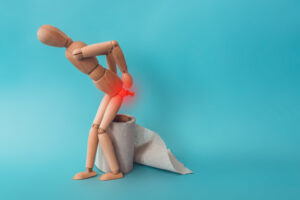
Hemorrhoids (HEM-uh-roids), also called piles, are swollen veins in your anus and lower rectum, similar to varicose veins. Hemorrhoids can develop inside the rectum (internal hemorrhoids) or under the skin around the anus (external hemorrhoids).
It turns out that nearly 75% of all adults will experience hemorrhoids at some point in their life. It is an incredibly common medical situation to face, even if people don’t openly talk about it all that much. Many people are too embarrassed to talk about the experience of having hemorrhoids. However, this lack of information only tends to make the situation even worse for any sufferer.
Causes
There are certain causes of hemorrhoids that you should take note of. You need to be sure that you are aware of what might be causing this kind of medical issue in your life.
Hemorrhoids can develop when the pressure in your body’s sensitive lower rectum area increases. This may happen for a variety of reasons, including:
- Sitting for long periods on the toilet
- Being obese
- Being pregnant
- Straining during bowel movements
- Eating a low-fiber diet
These are all risk factors for developing hemorrhoids. They aren’t the only ones. Be aware that you might develop hemorrhoids if you experience any of these situations. It is also possible that none of these apply to you, but you experience issues anyway. Remember, nearly three-quarters of adults will develop hemorrhoids at some point in their life.
Symptoms
Maybe you are asking yourself: “How do I know if I have hemorrhoids?”. This question could come up if you are experiencing something out of the ordinary but are unsure. In that case, you should look out for certain hemorrhoid symptoms. Most importantly, internal and external hemorrhoids tend to have different types of symptoms associated with them. Let’s break them down based on their category.
External Hemorrhoids
Symptoms of external hemorrhoids can include the following:
- Pain or discomfort
- Swelling around your anus
- Bleeding from the anus
- Itching or irritation in and around the impacted area
These symptoms are virtually impossible to ignore. They are often severe for many sufferers, and it can feel as though it is impossible to escape from the issues that manifest with external hemorrhoids.
Internal Hemorrhoids
Those who suffer from internal hemorrhoids might have more reason to ask, “How do I know if I have hemorrhoids?” Their issue might not be obvious at all. They may not even notice them or feel any discomfort at all related to their hemorrhoids. This doesn’t mean that they should be ignored, but it does mean that they might be more challenging to detect. Symptoms of internal hemorrhoids can include:
- Bleeding during bowel movements (though the bleeding is NOT associated with pain)
- A hemorrhoid that pushes through the anal opening
Both of these symptoms might not cause the physical pain and discomfort that those with external hemorrhoids have to deal with, but these symptoms can still be frustrating regardless. It is best to get this checked out even if you aren’t actively experiencing pain associated with it. You certainly don’t want this to develop into anything more serious.
Treatments
Treatment options exist for those suffering from hemorrhoids. These options exist for those with either internal or external hemorrhoids. The treatment options can be far less invasive and dramatic than you might have expected. Harvard Health reminds us of this by offering the following recommendations for treatment options:
- Eat More Fiber – You can start improving your ability to deal with hemorrhoids by changing your diet to add more fiber. Most of us are aware that we ought to be eating more fiber anyway, and it can be a great reminder and a wake-up call to realize that our situation with hemorrhoids may have manifested because we didn’t eat enough fiber in the first place. Change your diet to add more fiber-rich foods for better health outcomes.
- Exercise – Simple exercises such as a walk can help improve your bowel movements and cause you to strain less when you go. Try to work in a 20-30 minute walk into your day if possible. It will dramatically help you reduce the chances of hemorrhoids causing major health issues.
- Sitz Bath – This warm water bath option can bring you some relief from the symptoms of hemorrhoids. It might help reduce the itching that you could be experiencing. It feels good, and you might find the relief you have been looking for when you let yourself slip into the calming, warm waters of a sitz bath.
These are a few treatment options that can help you improve your hemorrhoid situation. If you continue to suffer after trying these treatment options, you should speak with your doctor about additional measures that you can take.
How Do I Know If I Have Hemorrhoids?: When to See a Doctor
If your hemorrhoids do not clear up after taking various treatment measures, then see your doctor. You should also consider seeing your doctor if you have noticed a significant amount of bleeding. You don’t want to take any chances when dealing with a health situation like this. You can and should visit your doctor if you are concerned that your situation is not clearing up or improving in any way. They can offer you more detailed and elaborate ways to work on taking care of hemorrhoids if nothing else is working.