How to Find an IBS Specialist Near Me
A primary care doctor is an excellent starting point; finding a specialist who understands the complexities of IBS can be a game-changer.
We all know that too much sugar is bad for us. Consuming high levels of sugar causes weight gain, potentially leading to obesity, and increases your risk for diabetes and heart disease.
Is high fructose corn syrup (HFCS) worse? Both sides have presented arguments regarding the use of HFCS, which is often preferred over other types of sugar and holds dominance in our food supply due to its cost-effectiveness in North America.
So, what are the dangers of high fructose corn syrup?
Let’s start by identifying what high fructose corn syrup actually is. As the name suggests, manufacturers produce HFCS from corn, specifically from corn starch. To make corn syrup, which consists of 100% glucose, manufacturers break down corn starch. Additionally, they add enzymes to convert a portion of the glucose into fructose in the process of producing HFCS. It’s called “high” because corn syrup itself is pure glucose.
The amount of fructose varies but is similar to that found in table sugar, which is officially called sucrose. However, in sucrose, there are chemical bonds between glucose and fructose. These bonds do not exist in HFCS.
Both HFCS and table sugar can, if consumed in excess, lead to increased liver fat and lower insulin sensitivity. It is often believed that HFCS, due to its slightly different chemical constitution, is worse., but there is no solid evidence of this.
The real root of the problem is that HFCS is often hidden in processed foods. For example, HFCS may be found in white bread, which improves surface browning and texture. This means that you may not be able to keep good track of how much HFCS you are consuming, although one easy way to reduce it is to cut out soda and replace it with, for example, flavored water (diet soda does not always help with weight loss and some studies indicate that carbonated beverages make you hungry).
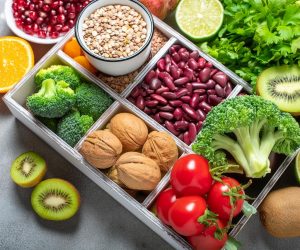
Avoiding processed foods in general also helps you lose weight and keep it off. A better source of sweetness when you crave it is fruits and berries, which contain only fructose and also have antioxidants and vitamins.
HFCS has a similar impact on blood sugar to sucrose. One study attempted to use very high fructose corn syrup (90%) as a substitute for fructose in diabetes management, as it might be cheaper. The study had a negative result, showing a high glycemic index (meaning a high impact on blood sugar).
In other words, HFCS increases your blood sugar levels, although whether it does so more than sucrose is unclear. This means it is best to limit the consumption of both.
Fructose, especially when not consumed in natural fruit, is associated with fatty liver disease, which can impact weight and heart health. But a study shows that the consumption of HFCS-sweetened beverages increases heart disease risk factors in the blood, specifically levels of lipoproteins, triglycerides, and uric acid.
Earlier research shows in general that the risk of death from cardiovascular disease increases with sugar consumption. The risk factors increased quickly, more in men than women and independent of weight gain. Reducing sugar consumption reduces risk, and can do so even if you have had bad habits in the past.
Research directly links consuming large amounts of HFCS directly with type 2 diabetes. This research does support the idea that HFCS may be worse for you than regular sugar. It showed a higher prevalence of type 2 diabetes in countries, such as the U.S., with high use of HFCS, over countries, such as the U.K., with low use of HFCS (in the U.K. beet sugar is the most common natural sweetener). However, the percentage difference was not that great – 8 percent as opposed to 6.7 percent.
Still, this is an indicator that reducing HFCS consumption can reduce your risk of developing diabetes and help you stabilize your blood sugar. People with a family history of type 2 diabetes should be particularly careful.
While “everything” often seems to cause cancer, HFCS is associated with colorectal cancer in those already at risk. Animal studies have shown that high levels of HFCS consumption increase the size and aggressiveness of colorectal tumors.
While HFCS does not cause colon cancer, it adds to the risk of people with other risk factors, such as family history or inflammatory bowel disease. As HFCS consumption increases obesity it also indirectly increases risk. If somebody gets colorectal cancer, HFCS can make it harder to treat. People with a family history of colon cancer should attempt to avoid HFCS as much as possible.
Reducing HFCS consumption is important for everyone, particularly for those with a family history of diabetes or colorectal cancer. HFCS is often a hidden ingredient in food that is not sweet, so it’s important to read labels. Here are some specific tips:
HFCS is in everything, and avoiding it altogether may not be possible. However, you should limit your consumption of HFCS and added sugars in general. Eating more fresh, unprocessed foods is typically the easiest way to limit it, as is giving up or heavily reducing soda and other sweetened beverages.
Reducing HFCS reduces your risk of weight gain, fatty liver disease, diabetes, and heart disease. Eating less sugar also trains you to crave less sugar, making it a sustainable dietary choice to improve your health and quality of life.

A primary care doctor is an excellent starting point; finding a specialist who understands the complexities of IBS can be a game-changer.

Knowing what to expect can help ensure you are fully prepared for your colonoscopy, a critical tool in preventing colorectal cancer.

When a flare-up strikes, the natural instinct is to reach for pain relievers. But can these common medications help, or make things worse?

There’s a wide range of what’s considered normal, but “healthy” generally refers to consistency, ease, and frequency.

An IBS diagnosis in older adults can be more complex because the symptoms can mimic more serious conditions that become prevalent with age.

Antibiotics are powerful drugs designed to kill harmful bacteria, but they don’t always distinguish between good and bad microbes.

The goal is to check for signs of cancer or precancerous growths (polyps) in individuals who have no symptoms and are considered at average risk.

Early detection can identify precancerous polyps or cancer in its initial stages, significantly improving treatment outcomes.

When you’re under stress—whether from a demanding job, personal challenges, or even anxiety caused by IBS itself—it can trigger physical reactions in your body.

Maintaining awareness of hemorrhoid symptoms and consistent use of effective treatments can help prevent these long-term issues.

The connection between female sex hormones and IBS is complex but crucial to understanding why your symptoms fluctuate.

Colitis and flare-ups can vary in intensity and frequency, influenced by factors such as diet, stress, and individual health conditions.
Please call our office to schedule an appointment.
Center for Digestive Diseases: (908)688-6565