
Signs to Visit Your Doctor for IBS
Cramping, bloating, and unpredictable trips to the bathroom are common signs of irritable bowel syndrome (IBS). IBS is a long-term condition that affects how the large intestine works.

FODMAP stands for fermentable oligosaccharides, disaccharides, monosaccharides, and polyols—short-chain carbohydrates poorly absorbed in the small intestine. These carbs can be found in various foods, including fruits, vegetables, grains, and dairy products. When people with irritable bowel syndrome (IBS) consume foods high in FODMAPs, these carbs ferment in the gut, leading to symptoms like gas and abdominal pain. The FODMAP diet is designed to help individuals with IBS identify and avoid foods that trigger these uncomfortable symptoms.
The Low FODMAP diet is a therapeutic approach often used to manage symptoms of Irritable Bowel Syndrome (IBS). For people with IBS, consuming FODMAPs can trigger symptoms like bloating, gas, diarrhea, and constipation.
FODMAPs are not easily absorbed by the body, so they pass into the colon, where bacteria ferment them. This fermentation produces gas, leading to bloating, distension, and abdominal pain. Reducing FODMAPs minimizes fermentation and gas production, alleviating discomfort.
FODMAPs can draw water into the small intestine due to their osmotic effect, contributing to diarrhea. A low FODMAP diet reduces this water retention, helping prevent or reduce diarrhea.
People with IBS often have an extra sensitive gut. By reducing the intake of FODMAPs, the volume of gas and distension is lessened, which can reduce overall gut sensitivity and pain.
Although the diet temporarily restricts FODMAPs, which are types of prebiotics, it helps rebalance the gut bacteria by reducing the overgrowth of bacteria in some parts of the digestive system that can worsen IBS symptoms.
Working with a dietitian is recommended to ensure the diet is balanced and to guide the reintroduction phase.
Certain vegetables are better tolerated by people with IBS (Irritable Bowel Syndrome) following a low FODMAP diet because they contain lower levels of fermentable carbohydrates that can trigger symptoms. Here’s a list of low-FODMAP vegetables that are generally considered safe in moderate portions:
Even though these vegetables are low FODMAP, it is important to consume them in the recommended serving sizes. Large portions of even low FODMAP foods can sometimes trigger IBS symptoms.
A Low FODMAP diet is often recommended to help manage Irritable Bowel Syndrome (IBS) symptoms. Here are some low-FODMAP foods that may help relieve IBS symptoms:
It’s important to reintroduce higher FODMAP foods after a trial period to determine personal tolerance levels, as cutting out all FODMAPs long-term is not ideal for gut health. Working with a registered dietitian can help ensure the correct reintroduction process and personalized long-term IBS management.
By eliminating high FODMAP foods and gradually reintroducing them, individuals can identify their specific triggers and create a personalized long-term diet plan that helps relieve symptoms. While it may require some time and guidance from a professional, the benefits of following a low FODMAP diet can significantly improve one’s quality of life for those living with IBS. Consult with your healthcare provider to determine if this dietary approach is right for you, and seek guidance from a registered dietitian to safely and effectively implement the low FODMAP diet. With the right support and knowledge, managing IBS symptoms can become more manageable and less disruptive to everyday life.
If you would like more information or help with a diet plan, please contact the experts at Allied Digestive Health.

Cramping, bloating, and unpredictable trips to the bathroom are common signs of irritable bowel syndrome (IBS). IBS is a long-term condition that affects how the large intestine works.

Everyone has an upset stomach now and then. A heavy meal, a stressful week, or a passing bug can all throw off your digestion. But some digestive symptoms are more than a temporary inconvenience.

If you live with irritable bowel syndrome and constipation, you know how frustrating it can be. Infrequent bowel movements, abdominal pain, and bloating can affect your comfort, your plans, and your overall quality of life.

For many people, the hardest part of a colonoscopy isn’t the procedure itself. It’s the bowel prep the day before. The good news is that colonoscopy prep has become easier to manage, and a little planning goes a long way.

Living with irritable bowel syndrome (IBS) means paying close attention to what you eat, how you feel, and how your body responds day to day. One factor that often gets overlooked is hydration.

Colorectal cancer prevention is a crucial aspect of maintaining overall health. By adopting certain daily habits, you can significantly reduce your risk of developing this common cancer.

Managing irritable bowel syndrome (IBS) can be challenging, especially when it comes to dietary choices. One crucial aspect is understanding how to get enough fiber with IBS. Fiber plays a significant role in digestive health, but not all types of fiber are suitable for everyone with IBS.
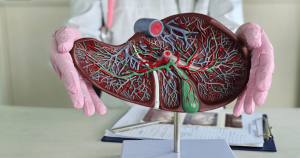
A gastroenterologist plays a crucial role in managing liver health, addressing conditions such as fatty liver disease, hepatitis, and cirrhosis. These specialists are equipped to diagnose and treat liver issues, ensuring optimal digestive health.
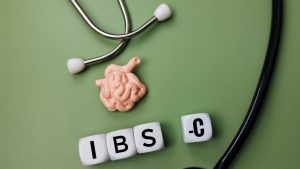
Irritable Bowel Syndrome with Constipation (IBS-C) can be a challenging condition to manage, but finding relief from IBS-C is possible with the right approach. Understanding the condition, making dietary adjustments, and exploring treatment options can help alleviate symptoms.

If you live with irritable bowel syndrome (IBS), you may have noticed changes in your weight that seem tied to your symptoms, whether it is unexpected gain, unwanted loss, or the frustrating bloat that makes your weight feel like a moving target. IBS does not directly cause major weight changes the way some conditions do

If you have ulcerative colitis, you may have heard that it can raise your risk of colorectal cancer, and that can be worrying to think about. The reassuring reality is that most people with ulcerative colitis never develop colorectal cancer, and the tools to manage that risk are effective and well established

The abdominal pain and cramping of irritable bowel syndrome (IBS) can range from a nagging ache to a flare that stops you in your tracks. If you are searching for how to relieve IBS pain, the encouraging news is that there are both quick comfort measures for the moment and longer-term strategies that can reduce how often flares happen at all.
Please call our office to schedule an appointment.
Center for Digestive Diseases: (908)688-6565